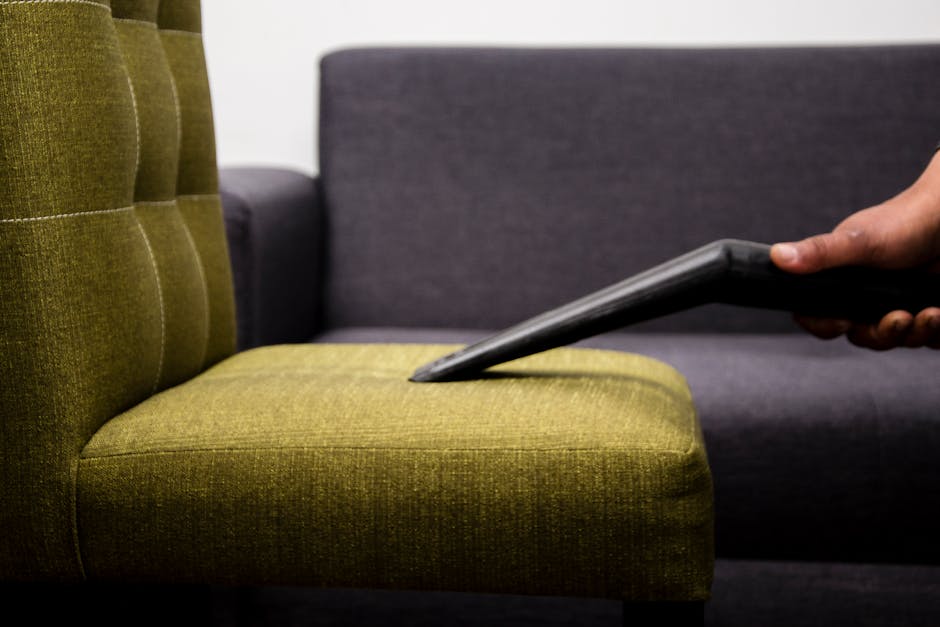
Old Brompton Road upholstery cleaning and stain removal SW5

If your sofa, armchair, dining chairs, or office seating is looking a bit tired, you are not alone. Daily use, city dust, spillages, pet hair, and the odd coffee mishap all leave their mark. Old Brompton Road upholstery cleaning and stain removal SW5 is the kind of service people usually look for when they want fabric furniture refreshed properly, not just lightly tidied. The goal is simple: remove soil, lift stains carefully, and help upholstery look and smell clean again without risking the fabric.
In a busy part of London like SW5, that matters more than most people think. A good clean can change how a room feels straight away. It can also help you avoid the common mistake of rubbing in a stain, over-wetting delicate fabric, or using the wrong product and making the problem worse. This guide walks through how upholstery cleaning works, what stain removal can and cannot do, how to decide when professional help makes sense, and what to expect before you book.
Practical takeaway: the best results usually come from acting early, identifying the fabric type, and matching the cleaning method to the stain rather than treating everything the same. Sounds obvious, but in real life it's where many people trip up.
Why Old Brompton Road upholstery cleaning and stain removal SW5 Matters
Upholstery collects more than visible dirt. Body oils, food crumbs, drinks, airborne particles, and everyday wear all settle into fibres. Over time, upholstery can start to look dull even if it is still structurally sound. In a home, that can make the whole room feel less cared for. In a rental property, guest room, or office, it can affect first impressions in a way that's hard to ignore.
Old Brompton Road and the wider SW5 area include a mix of period homes, apartments, shared houses, short-let properties, and professional spaces. That means furniture often has to work hard. A velvet chair in a sitting room, a fabric sofa in a busy family home, or waiting-room seating in a small business all need different treatment. One of the biggest reasons people search for upholstery cleaning and stain removal locally is that they want a service that understands fabric variety, access constraints, and the realities of London living.
Stains add another layer. A stain is not always just a stain. Tea can oxidise, red wine can set, body oils can darken fabric, and pet accidents can leave both marks and odours. The longer the stain sits, the more it can bond to the fibres or backing. Truth be told, a lot of successful stain removal is about timing and restraint, not aggressive scrubbing.
There is also a hygiene angle. Upholstery can hold allergens and odours, especially in enclosed rooms or homes with pets. You may not always see the issue, but you will notice it when a room has that slightly stale, lived-in smell. Not exactly the welcome feeling most people want.
How Old Brompton Road upholstery cleaning and stain removal SW5 Works
A careful upholstery clean usually starts with inspection. The cleaner identifies the fabric type, checks for colour fastness where appropriate, and looks at the stain history. Was it coffee, wine, ink, grease, makeup, food dye, or something else? That matters because different soils respond to different chemistry and different levels of moisture.
From there, the process normally moves through a few core stages:
- Dry soil removal: loose dust, grit, and hair are lifted first so they do not turn into muddy residue during cleaning.
- Fabric assessment: fibre type, weave, backing, and any care label guidance are checked carefully.
- Pre-treatment: targeted stain solutions are applied to break down the specific mark.
- Agitation or dwell time: the product is allowed to work, sometimes with light brushwork.
- Extraction or controlled cleaning: the soil and solution are removed using an appropriate method.
- Spot treatment: any remaining marks are reassessed and treated again if safe to do so.
- Drying support: airflow and finishing checks help the fabric dry evenly.
Professional upholstery cleaning is not just about making fabric wet and then drying it. If anything, the hard part is control. Too much water can leave tides, distortion, or lingering damp. Too strong a product can strip colour or damage fibres. Too little treatment, on the other hand, and the stain sits there like it pays rent.
For some items, upholstery cleaning is the main service needed. For stubborn marks, a focused stain removal approach is often paired with it. If the issue includes pet mess, odour, or repeated accidents, the work may be better handled with pet stain and odour removal methods that address both the visible mark and the smell left behind.
Key Benefits and Practical Advantages
When upholstery is cleaned properly, the change is usually more noticeable than people expect. Not dramatic in a flashy way, just quietly better. Cleaner fabric, brighter colour, less smell, and a room that feels more put together.
- Better appearance: dirt build-up softens colours and makes furniture look older than it really is.
- More comfortable living spaces: upholstery that feels fresh helps the whole room feel cleaner.
- Improved stain control: early, targeted treatment can stop a mark from spreading or setting.
- Odour reduction: useful where food, pets, or everyday use have left a lingering smell.
- Fabric care: professional treatment can be gentler than trial-and-error DIY cleaning.
- Longer usable life: regular maintenance helps delay the need for replacement.
- Better guest-facing presentation: especially important for landlords, hosts, and businesses.
There is another benefit people sometimes overlook: confidence. If you have a nice sofa or chairs and one bad stain has been bothering you for weeks, getting it sorted properly can be oddly relieving. You stop looking at the mark every time you walk into the room. Small thing, maybe. But not really.
Upholstery cleaning can also support broader care of the home. If the fabric furniture is dusty, the same room may also benefit from carpet cleaning, especially where foot traffic brings in outdoor dirt. In rooms with curtains, curtain cleaning can make the whole space feel more complete rather than solving only part of the problem.
Who This Is For and When It Makes Sense
This kind of service suits a lot of different people, and not just those with obvious stains. Some callers already know exactly what happened. Others just know the furniture looks tired and has started to hold onto smells.
It makes sense if you are:
- a homeowner wanting to revive a sofa or set of dining chairs;
- a tenant preparing for check-out or trying to leave a place in good condition;
- a landlord or letting agent aiming to keep a property presentable;
- a host or short-let owner who needs quick turnaround and reliable appearance;
- a small business with fabric seating in waiting areas or meeting rooms;
- a family with children, pets, or a lot of daily use;
- someone dealing with an old stain that has defeated spot-cleaning attempts.
Timing matters too. If the mark is fresh, act quickly. If it is old, all is not lost, but expectations should be realistic. Some stains can be improved significantly and still leave a faint shadow. That is normal, and any honest cleaner should say so rather than promise magic.
If your furniture is especially valuable or delicate, it is worth checking related care options such as sofa cleaning for larger upholstered items or rug cleaning where matching a stain treatment to a textile type is equally important. Different materials, different game plan.
Step-by-Step Guidance
Here is a practical way to think about upholstery cleaning and stain removal before, during, and after the service.
1. Identify the problem clearly
Is it a general dullness issue, one stubborn stain, or a fabric that smells a bit off? Each one needs a slightly different approach. If you know what caused the stain, say so. Even a rough idea helps.
2. Check the fabric if you can
Look for a care label, manufacturer guidance, or any previous cleaning advice. Some fabrics are fine with wet extraction, while others need much drier or more delicate treatment. If you are unsure, leave it to a professional. Better safe than sorry, honestly.
3. Avoid rubbing the stain
Blot, do not scrub. Rubbing pushes the mark deeper and can rough up the pile or weave. Use a clean, white cloth if you need to absorb a spill. Coloured cloths can transfer dye, which is the kind of problem nobody asked for.
4. Test before treating
Any product, even a mild one, should be tested in an inconspicuous area if you are cleaning at home. A fabric that looks robust can still react badly to moisture or chemistry.
5. Treat the stain by type
Grease, protein-based stains, drink spills, inks, and dyes all behave differently. This is why one universal "miracle spray" is usually a disappointment.
6. Clean the wider area
Once the stain is dealt with, the rest of the panel or cushion may need an overall clean so you do not end up with a bright patch in the middle of a dull one.
7. Dry properly
Good airflow matters. Open windows where practical, keep the room ventilated, and avoid sitting on the furniture too soon. If cushions can be lifted or rotated safely, do that.
8. Review the result realistically
Some marks vanish. Some fade a lot. Some improve but remain slightly visible. The aim is always the best safe result, not an overpromised fairy tale.
Expert Tips for Better Results
Let's face it: the difference between a decent result and a great one is often in the small details.
- Deal with spills quickly. Fresh stains are much easier to remove than dried ones.
- Keep a note of what caused the stain. It sounds tiny, but it saves time during treatment.
- Vacuum before cleaning. Loose grit can scratch fibres and interfere with the process.
- Use minimal moisture on delicate fabrics. Too much water can leave rings or a long drying time.
- Don't mix products. Combining cleaners can create unpredictable reactions and unpleasant odours.
- Rotate cushions regularly. Wear becomes uneven surprisingly fast in busy homes.
- Ask about drying time in advance. That helps you plan the room's use properly.
- Choose method over hype. A careful, suitable process usually beats aggressive "deep clean" claims.
One little local reality: in older London properties, furniture may sit in rooms with limited airflow, narrow stair access, or mixed upholstery in one space. That makes planning useful. A professional who is used to working in SW5 will usually take those things into account without making a fuss about them.
If your furniture is part of a larger refresh, you might also look at steam carpet cleaning for floors that have the same everyday soil build-up. And if you are comparing service quality, the business background and standards described on about us can help you judge whether the provider feels like a good fit.
Common Mistakes to Avoid
Most upholstery damage during DIY cleaning comes from good intentions and bad timing. A few habits come up again and again.
- Scrubbing hard: this distorts fibres and spreads the stain.
- Using too much detergent: residue attracts soil later and can leave a sticky feel.
- Soaking the fabric: this risks shrinkage, tide marks, and slow drying.
- Using the wrong stain remover: some products are simply too harsh for upholstery.
- Ignoring the cushion filling: a surface may look fine while moisture has soaked deep inside.
- Assuming all stains are removable: some are permanent or only partially correctable.
- Cleaning only the mark: the surrounding area often needs balancing too.
A very common one? People try three different products in one afternoon because none of them worked instantly. By then, the stain has the first product, the second product, and a slightly annoyed owner to contend with. Not ideal.
It is also worth avoiding delays after spills involving pets or body fluids. Those are best handled promptly and, where odour is involved, with the right approach from the start. If the issue is more than a surface mark, specialist odour removal is often a smarter route than repeated spot cleaning.
Tools, Resources and Recommendations
You do not need a cupboard full of harsh chemicals to manage upholstery well. In fact, simpler is often safer.
| Tool or product | Useful for | Why it helps |
|---|---|---|
| Vacuum with upholstery attachment | Routine maintenance | Removes dry soil before it settles deeper |
| Clean white microfibre cloths | Blotting spills | Helps you avoid colour transfer and over-rubbing |
| Soft brush | Light fabric agitation | Useful for lifting surface debris gently |
| Fabric-safe spot treatment | Targeted stain work | Best when matched carefully to stain type and fabric |
| Airflow or fan | Drying support | Reduces damp time and helps avoid lingering odour |
For people who want a more complete refresh, it can make sense to tackle nearby soft furnishings at the same time. For example, if the upholstery is dusty and the curtains are holding onto room smell, pairing curtain cleaning with upholstery work often gives a more noticeable result than one isolated clean. Similarly, textiles in bedrooms may benefit from mattress cleaning if the overall goal is a fresher sleeping environment.
On the service side, practical planning matters. A transparent provider should be able to discuss the likely method, what kinds of stains are realistic to treat, and how long drying might take. If you are comparing service options, look at pricing and quotes so you understand what is included and what may be extra. A careful explanation up front is usually a good sign.
Law, Compliance, Standards and Best Practice
For upholstery cleaning, the main compliance issues are usually practical rather than dramatic. Safe working methods, suitable products, careful handling of fabrics, and clear communication matter most.
In the UK, professional cleaning businesses are generally expected to work safely, protect the client's property, and avoid misleading claims. They should also carry appropriate insurance and have procedures that support safe access, equipment use, and issue handling. If a company is willing to explain how it manages risk, that is reassuring. If not, that is worth noticing too.
From a best-practice point of view, there are a few sensible expectations:
- use methods suited to the specific textile rather than one generic process;
- check for colour stability before applying moisture or chemistry where appropriate;
- avoid excessive wetting that could damage fabric, backing, or padding;
- give realistic guidance on stain outcomes;
- respect customer property and keep the work area tidy;
- be clear about drying times, access needs, and aftercare advice.
If you want to understand how a provider thinks about safety, insurance, and customer care, it is reasonable to review their insurance and safety information, plus their health and safety policy. For payment handling and customer data, the pages on payment and security and privacy policy give additional reassurance. Small details, but they matter.
Where sustainability is a concern, it is also fair to ask what happens to waste water, packaging, or disposable materials. A company that takes recycling and sustainability seriously is usually thinking more broadly about the service, not just the clean itself.
Options, Methods, and Comparison Table
Not every upholstery job needs the same method. The right choice depends on the fabric, the stain, and how much moisture the item can safely handle.
| Method | Best for | Pros | Limitations |
|---|---|---|---|
| Dry soil removal and spot treatment | Light soiling, small fresh marks | Low moisture, quick setup | May not be enough for embedded dirt |
| Hot water extraction | Many durable woven fabrics | Deep clean, strong soil removal | Not ideal for every textile |
| Low-moisture cleaning | Sensitive fabrics or faster drying needs | Less wetting, reduced downtime | May need more care on heavy staining |
| Specialist stain removal treatment | Specific marks like wine, grease, or pet stains | Targeted and efficient | Success depends on stain age and fabric type |
There is no universal "best" method, despite what some glossy adverts imply. A sofa with a water-safe synthetic cover may tolerate a process that would be completely wrong for velvet or antique fabric. The trick is matching the method to the item. Sensible, not flashy.
If the same room contains mixed soft furnishings, a combined approach can be efficient. For example, upholstery, rugs, and carpet fibres often collect dirt in similar ways even though they need different treatment. Linking the work with rug cleaning or a broader carpet cleaning visit can save time and create a more even finish across the space.
Case Study or Real-World Example
Here is a realistic example based on the kind of situation many SW5 households face.
A family living near Old Brompton Road had a light-coloured fabric sofa in the main sitting room. Over time, it had picked up everyday grime from school runs, dinner-at-the-table snacking, and one unfortunate coffee spill that had become a stubborn brown mark on the seat edge. They had tried a shop-bought spray, then a damp cloth, then a bit more spray. Predictably, the mark looked wider, not smaller.
On inspection, the issue was not just the visible coffee stain. The surrounding fabric had become uneven in tone, and the sofa had a faint general odour from regular use. The sensible approach was to treat the stain separately, then clean the broader panel to blend the result. The main challenge was avoiding over-wetting the cushion and leaving a tide mark.
After careful stain treatment, a controlled clean, and proper drying time, the sofa looked brighter and far less tired. The stain did not vanish into thin air, because that would be too convenient, but it faded enough that it no longer pulled the eye every time someone entered the room. That is often the real win.
For the family, the biggest value was not only the appearance. It was the relief of not having to think about the stain anymore. If you have ever had one mark on a chair or sofa annoy you every day for months, you will understand that feeling.
Practical Checklist
Use this quick checklist before arranging upholstery cleaning or attempting any spot treatment at home.
- Identify the furniture type and fabric if possible.
- Check whether the stain is fresh, dry, or old.
- Note what caused the stain, even approximately.
- Blot spills gently with a clean white cloth.
- Avoid scrubbing, soaking, or mixing cleaners.
- Vacuum dry dirt before any wet treatment.
- Confirm whether the item needs stain removal, full cleaning, or both.
- Ask about drying time and room access before the appointment.
- Keep pets and children away from the treated area while it dries.
- Review aftercare advice so the fabric stays cleaner for longer.
Helpful reminder: if a stain has already been through several DIY attempts, mention that upfront. It can affect the treatment choice, and it saves everybody time.
Get a free quote today and see how much you can save.
Conclusion
Old Brompton Road upholstery cleaning and stain removal SW5 is about more than making furniture look a bit nicer. Done properly, it helps protect the fabric, improves the feel of a room, reduces visible wear, and deals with stains in a way that is careful rather than hopeful. That distinction matters. A lot.
The smartest approach is usually straightforward: identify the fabric, understand the stain, avoid quick fixes that might do harm, and choose a method that suits the item rather than the other way around. Whether you are trying to freshen a family sofa, revive dining chairs, or deal with a stubborn mark that has overstayed its welcome, the right cleaning plan can make a genuine difference.
And if you are still deciding whether a professional clean is worth it, ask yourself one simple question: would you rather keep staring at the stain, or finally sort it out? Most people know the answer before they finish the thought.
A cleaner, calmer room has a way of changing the mood of the day. Funny how that works.
Frequently Asked Questions
How often should upholstery be professionally cleaned in SW5?
It depends on use. A family sofa, pet-friendly home, or busy shared space may need more frequent attention than a lightly used chair. Many people book cleaning when the fabric starts to look dull, smells stale, or shows visible marks.
Can all upholstery stains be removed?
No, not always. Some stains improve dramatically, some partially fade, and some may leave a faint trace if they have set deeply or reacted with the fabric. Honest stain assessment is better than unrealistic promises.
Is steam cleaning safe for upholstery?
Sometimes, but not for every fabric. Steam or hot-water methods can work well on durable textiles, while delicate, vintage, or moisture-sensitive fabrics may need a lower-moisture approach. Fabric type should guide the method.
What should I do immediately after a spill?
Blot gently with a clean white cloth, avoid rubbing, and do not pour random cleaning products on top of it. If possible, keep a note of what caused the spill so the stain can be treated more accurately later.
How long does upholstery take to dry?
Drying time varies by fabric, cleaning method, room ventilation, and how much moisture was needed. Some items dry fairly quickly, while others need longer. Good airflow always helps.
Will cleaning remove pet smells as well as stains?
It can, especially if the treatment is designed for both stain and odour. Pet accidents often need more than a surface clean because the smell may sit deeper in the fibres or padding.
Can I clean velvet or delicate fabrics myself?
You can try very light maintenance, but delicate fabrics are best handled carefully. Testing, limited moisture, and suitable products matter. If the item is valuable or sentimental, professional help is usually safer.
What if the stain is old and has already been treated before?
That does make things harder, but it does not mean the stain is hopeless. Previous products can alter the stain chemistry or leave residue, so it is important to say what has already been tried.
Is upholstery cleaning messy or disruptive?
A good service should be fairly tidy and controlled. There will be some room disruption while the fabric is treated and drying, but careful preparation helps keep inconvenience down.
How do I know whether I need sofa cleaning or stain removal?
If the whole item looks dull or dirty, sofa cleaning is likely the main need. If the fabric is generally fine but one or two marks are the issue, stain removal may be the priority. Often, the best result comes from combining both.
Are there any safety or insurance checks I should ask about?
Yes. It is sensible to ask whether the company has suitable insurance and clear health and safety procedures, especially for work in homes, shared buildings, or business premises. That is just good practice.
Where can I compare service details before booking?
Look at service pages and supporting information such as upholstery cleaning, stain removal, and pricing and quotes to understand how the service is described and what is included.
What is the best way to keep upholstery cleaner for longer?
Vacuum regularly, tackle spills quickly, rotate cushions when possible, and avoid overusing off-the-shelf cleaners. A little routine care goes a long way, and it saves you from bigger problems later on.